
There's a specific moment I recognise now, on the second or third call with a new marketing director. It happens somewhere between the brief and the quote.
They stop describing what they want filmed. They start describing everything around it. The stakeholder who doesn't want to be on camera. The regulatory sign-off that took three weeks last time. The freelancer who ghosted after the shoot day. The internal politics of whose brand the training video belongs to. The fact that the CMO has asked, again, why the last campaign didn't hit its numbers.
That's the moment the conversation changes shape. What they thought they were buying was a video. What they actually want is someone they can hand the whole thing to and not think about again until it's done.
I've been producing content for marketing teams for twenty years. The thing I've learned to sell isn't the finished asset. It's the ability to hand off.
What "handing off" actually means
A lot of marketing content sits in a broken middle. Too specialist for the in-house team to keep up with. Too varied for a single agency to hold. Too senior in judgement to give to a freelancer without spending your own time managing them. So it stays on the marketing director's desk, month after month, quietly draining the hours they should be spending on strategy.
The version of content support that solves this is the one where the marketing director gets to say "the video for X, the photography for Y, the podcast for Z, and the three internal comms pieces the CEO asked for" and then genuinely lets go of it.
That requires the person on the other side to be able to hold all of it. Not because they're a bigger agency with more staff. Because they've built the operational muscle to plan, produce, edit, deliver, and route the whole thing without needing the marketing director to manage them.
It's a different product from "content production". It's dependency, in the good sense of the word.
The 19-year relationship that taught me this
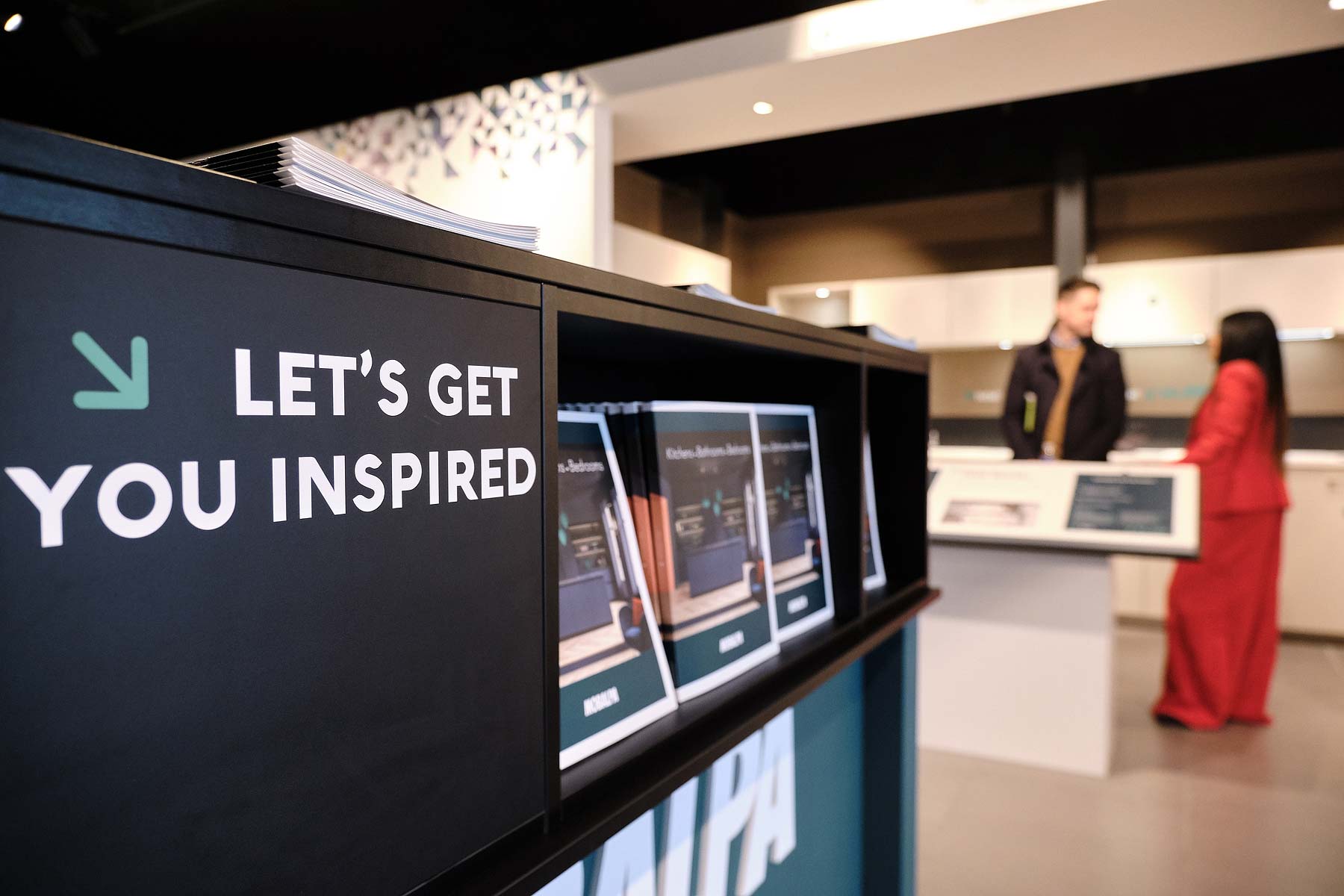
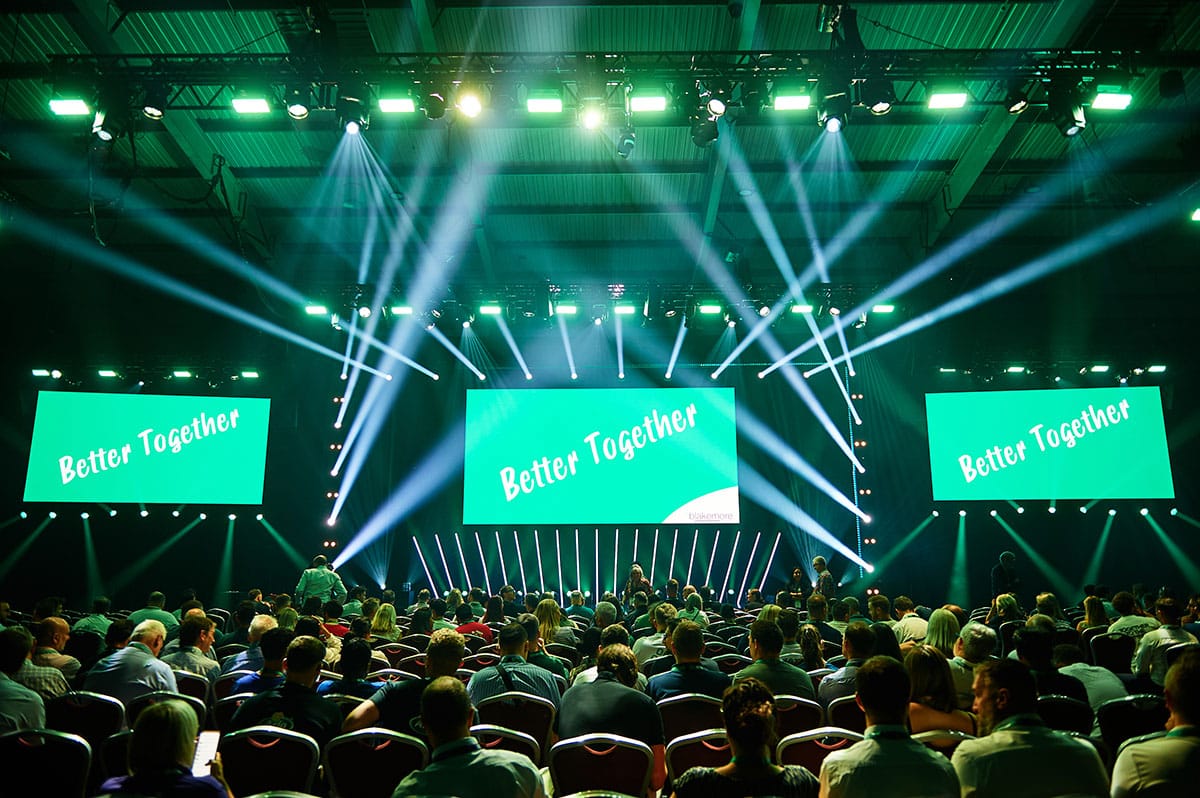
I've been the retained brand photographer for A.F.Blakemore since 2007. The first job was their A.F.Blakemore FAB Event, the annual retailer show. The following year the event was rebranded to SRS and has run under that name every year since. Nineteen years across a business that has changed shape several times in that period - senior director changes, growth through acquisitions, new specialisms in and out, and now a new C-suite era shaped by internal promotions and outside hires. The relationship has survived every one of those chapters, and the reason is the same reason it started.
A.F.Blakemore have never just bought one type of photography or videography from me. Over the years the brief has covered work directly for their logistics team, capturing both the infrastructure behind the business and the people who make it happen. Work for the transport manager on new fleet investment, including standout PR and marketing pieces produced in partnership with their fleet suppliers Volvo UK, Scania and Mercedes Truck and Van. Store refits and launches across the independent retail estate throughout the UK. Retailer features for the trade press. National programmes for SPAR UK, working closely with their marketing agency Genesis. Company-owned photography and video content that showcases the estate and the people running it, including pieces produced for HR and recruitment. Coverage of their community action day programme across the country, celebrating excellence and community responsibility. Conferences for the management team and the retailer estate. Content that highlights what makes A.F.Blakemore, their teams and their customers the leaders in their field.
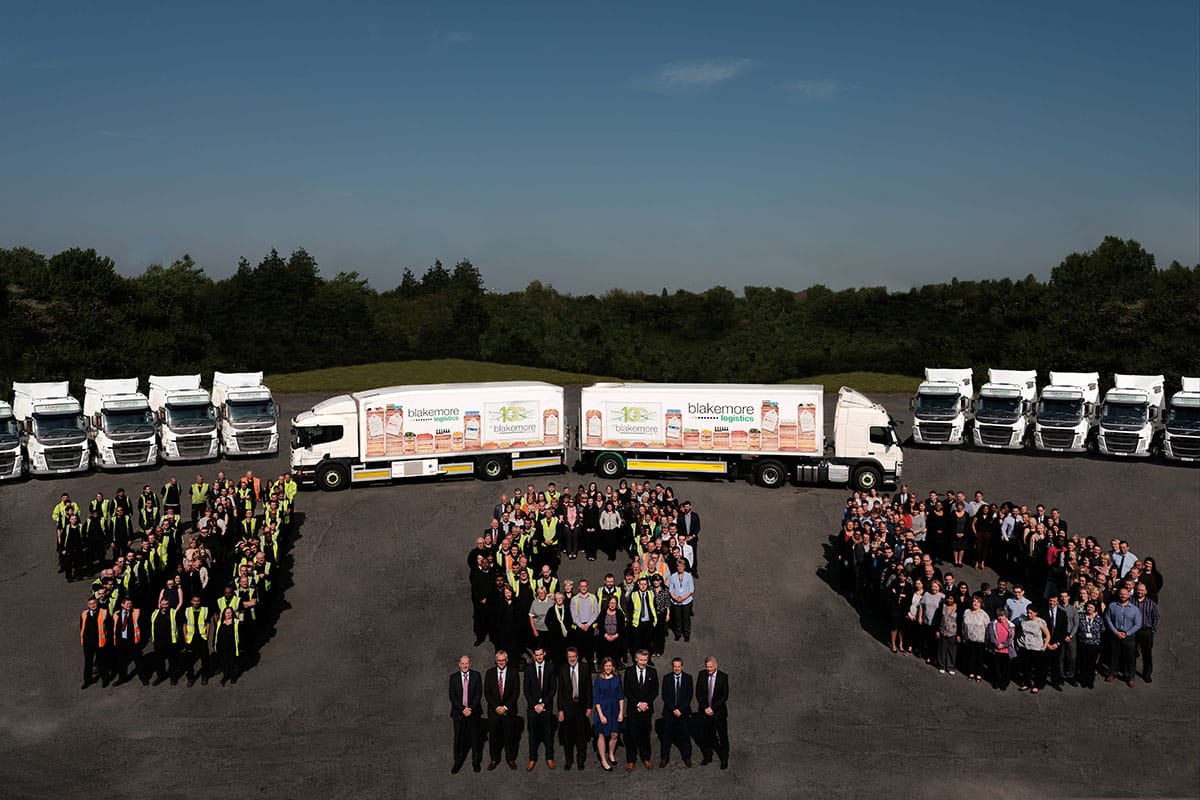
The signature project in that stretch was the 100 Years of A.F.Blakemore celebration. Special fleet liveries. Events throughout the estate, from the wholesale operation to fresh foods to logistics and every team in between. And a great amount of time spent with the Blakemore Family themselves, who I'm proud to count as close working bonds. A milestone captured across the whole business, not just the SPAR estate, and something the company could use to look both backwards and forwards.
None of that has needed me to be re-briefed at the start of each new job. When the transport manager rings about a fleet rollout, or the SPAR marketing team scopes the next conference, or the trade press feature needs a retailer profile shot in a rural store on a specific week, the operational context is already there. I know the brand. I know the readers. I know which stakeholders need to be comfortable in front of the camera and which prefer to be off it. I know what "on brand" means without needing the guidelines.
That's the trust anchor. It isn't a slogan. It's what a marketing team gets when someone has been in the room long enough to know the answers before they've asked the question. And it's what carries the relationship through when the marketing director changes, the CEO changes, or the business grows into a shape nobody had drawn on the map two years earlier.
Why this matters more in 2026 than it did in 2020
Two things have changed at the same time.
The first is that marketing teams have been asked to do more with less for four straight years. Every marketing director I speak to at Inizio, at IMI, at the mid-market pharma and professional-services businesses where the buyers I want to work with sit, is stretched. Their content output has grown, their team hasn't, and the budget for a full-time senior content hire either doesn't exist or can't be justified for the workload they need covered.
The second is that AI has flooded the "generic capability" end of the market. Anyone can now produce a passable script, a passable image, a passable social post. What that's done is push the value up the stack. The scarce thing isn't the ability to make content. It's the ability to make content that reads as first-hand, that carries the mark of someone who was actually there, and that lands with the specific stakeholders a marketing director has to answer to.
Trust is the resource that AI can't manufacture. It's the thing you build over years of showing up, delivering when you said you would, holding the brand steady when the marketing director changes for the third time.

What senior marketing leaders should look for
If you're the marketing director reading this and any of the earlier paragraphs described your current situation, here's what I'd suggest looking for when you're deciding who to work with.
Someone who's been retained by at least one client for more than five years. That's the trust proof. Anyone who's built a brand around production quality can produce good work once. Not everyone can hold a relationship through team changes, budget cycles, and strategy pivots.
Someone who talks about your stakeholders as much as they talk about the shoot. If the conversation stays on kit and technique, you're buying production. If it moves quickly to how the finished piece will land with your CEO, your trade partners, or your regulator, you're buying the hand-off.
Someone with a portfolio that includes at least one project where they've been the sole content partner across multiple formats. Not a specialist in one lane. Someone who can carry video, photography, podcast, and internal comms without you needing to brief four different people.
Someone whose first question isn't "what's the budget" but "who is this for". Budget matters. But if it's the opening question, the relationship starts transactional and stays there.
What we actually do
I run Emotive Eye as a fractional content producer for marketing teams who want the hand-off, not the production supplier. Corporate video, brand photography, event coverage, podcast production, content strategy. All held by one person. Priced as a partnership, not a rate card.
If any of this reads as the shape of your current problem, book a discovery call. It's a 30-minute conversation about what's on your desk and whether the hand-off model would help.
The most valuable thing about content isn't what it says. It's who's holding it.