
Video is the format most senior B2B marketing teams know they should be doing, and the format most often used badly. In twenty years of running production for organisations of every size, the mistake is rarely about equipment or budget. It's about the question the team asked before hiring anyone.
Most teams walk into a video project asking "what content do we need to produce?" A more useful question: what do we need to prove that we can't currently prove in any other format?
That question changes how the shoot gets briefed, what outputs get planned, and how the finished pieces get used.
What video does that other formats can't
Written content tells a reader what you think. A photograph tells them what something looks like. Video does something different again: it captures presence. Tone of voice, room dynamic, the way a senior person pauses before answering a difficult question. Those things are proof. They can't be faked and they can't be dressed up in the edit.
For a senior B2B marketing team, this matters more than the format debates suggest. The buyers you're trying to reach are wary of polished content that says nothing. What they're actually scanning for is signal: does this company understand the world I work in? Do the people at the top of it sound like the kind of people I'd want to work with? Video answers both questions in ways no other format quite can.
Which is why the format itself matters less than most video briefs suggest. Whether you're producing a hero film, a chapter series, a testimonial, or a set of talking-head clips, the underlying job is the same. Show something real and let the viewer make their own judgment.
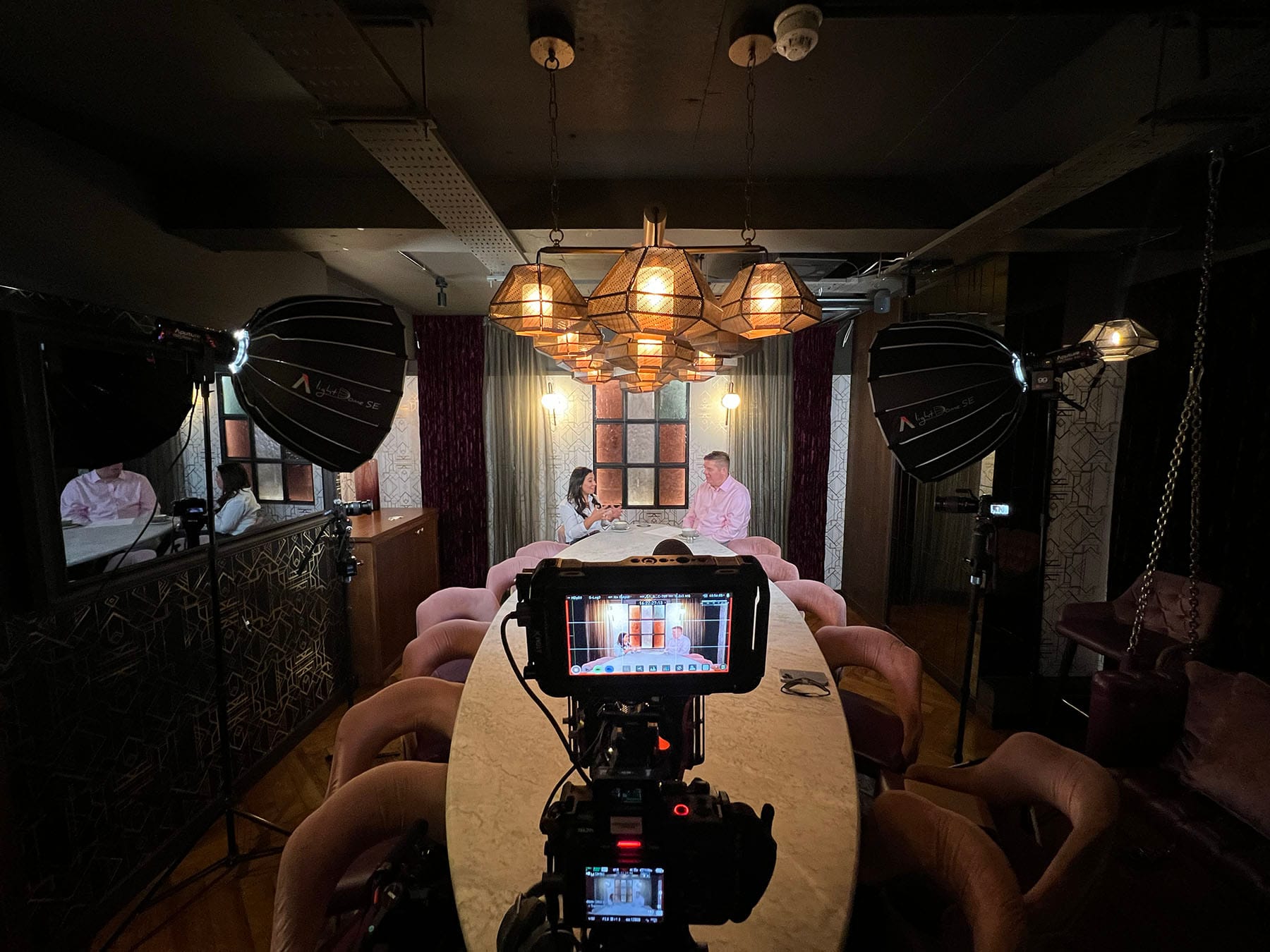
Where B2B video budgets usually get burned
Three patterns show up most often.
The first is single-use production. A team spends real money capturing a day of content and uses it once. One hero film goes on the homepage, and the rest of the footage sits in a folder marked "archive" for the next twelve months. The cost was justified by one output when it should have been amortised across five or ten.
The second is over-production without a proof point. Marketing agencies love pitching cinematic promo videos because they're the easiest thing to sell as "premium". Cinematic promo videos are also the easiest thing for a senior B2B buyer to skip. Production values don't build trust on their own; what builds trust is the substance of what's on camera.
The third is briefing the shoot before deciding what the piece is proving. A vague brief produces vague footage. Vague footage produces vague edits. The line between a video that lands and a video that goes nowhere often gets drawn in the pre-production conversation, weeks before anyone walks on set.
A recent example
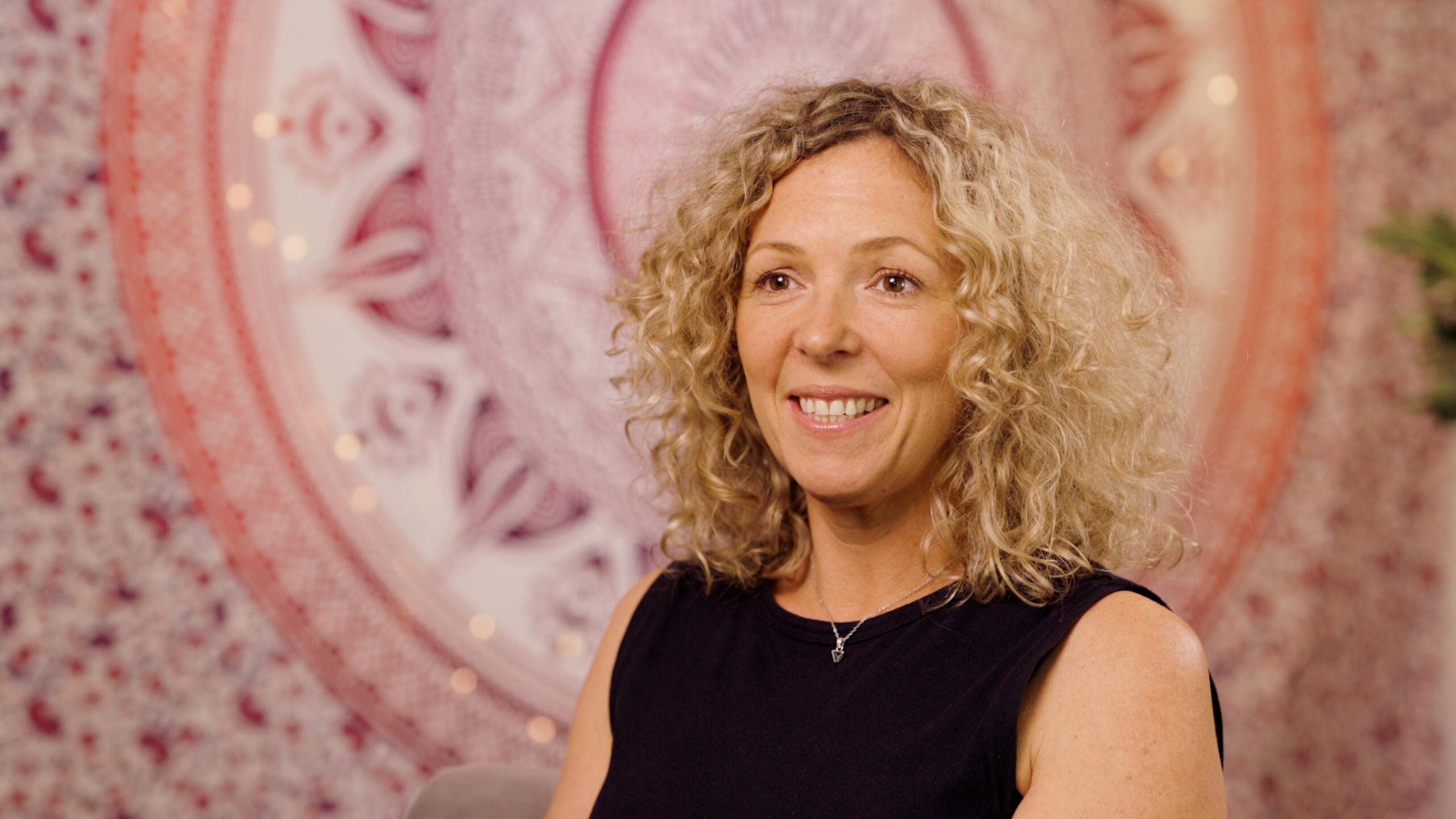
A recent example. MyHolistic, a reflexology-based wellness practice run by Heather and Becky, brought me in when they were stepping up their online presence. Before that they'd never done video content, only written testimonials. This was their first proper move into a video-led marketing library, and they wanted to do it right.
At the briefing stage I suggested the focus should be on their clients and lived experience rather than on the founders talking about themselves. Heather worked up notes on where each story fit within their services and wider positioning; I then led each interview, giving people the safe space they needed to share properly, knowing already how I wanted to review the footage and cut the finished pieces together.
Two days of filming produced a library of client-experience films and founder-story pieces, used across multiple sites in their group, plus an ongoing supply of short-form clips for YouTube and social. What made those films work isn't the polish, it's the time we took in the room. People need to feel like they can think out loud on camera before they'll say anything useful, and that only happens when the filming pace lets them.
The multi-site, multi-format use was baked in from the pre-production conversation. Every interview question was set up knowing which site would host which insight, which social platforms would carry which short cuts, and which pieces would need to live on for months. That's premium production with purpose in action, and the same content maximisation discipline that separates video that pays back from video that gets used once. The films landed the way they needed to: emotional, identifiable, real lived experience, spoken by people whose lives Heather and Becky have genuinely changed across both general health and family-building.
The wider point
Video content lives longer and works harder when the strategy behind the shoot is thought through. That's true for a company with in-house production capacity, and true for one relying on a partner. What separates the two isn't usually skill on the day; it's whether the operational thinking was in place before the camera arrived.
For clients I've worked with over long relationships (A.F.Blakemore across nineteen years, for example), that thinking has become instinctive. When I'm out filming with their retailers showcasing what's working in their stores, I already understand the pressures of FMCG fulfilment in a live environment. I know which details stakeholders will want shown, which they won't, and how to highlight the wider retail context beyond the immediate brief to give the piece insider texture. That's the compound-knowledge advantage of a long-term partnership: the operational judgement calls are already made before the camera comes out of the bag.
What senior marketing leaders actually need from video
Not a videographer. A production partner who thinks about video the way a strategist thinks about content: as an asset that has to earn its production cost across multiple uses over time.
For distributed marketing teams running content across multiple business units, that means video briefs that consider all of the audiences the footage might reach, not just the primary output. For capacity-stretched central marketing teams, it means someone senior enough to hold the strategic view during production without slowing anything down.
Either way, the question at the top of the process isn't "what content do we need to produce?" It's "what do we need to prove, and what would the footage need to do to prove it?"
Where to go next
If your team is thinking about video content and wants to talk it through, book a discovery call. No pitch, just a proper conversation about what you're trying to prove and what footage would help.
For more on how single shoots compound into full content ecosystems, see What is Content Marketing? - the same operational principles apply across formats.
Related reading:
- What Are Podcasts and How Can They Help Your Business?
- Corporate Video Production (services page)
- Content Strategy and Fractional Content Support (services page)
An earlier version of this post was published on my previous site in January 2021. This is the 2026 fractional-lens rewrite.
What kind of video content works best for B2B marketing?
Video content works best when it captures what other formats can't: real people talking at length, tone of voice, room dynamic. Format matters less than clarity about what the video needs to prove. Hero films, chapter series, testimonials, and talking-head clips all work if the brief is clear.
How much does B2B video production cost?
Cost depends less on the day rate than on how many downstream outputs you get from one shoot. A day of filming producing one hero video is expensive per asset. The same day producing a library of insight films, short-form cuts, and social clips is a fraction of the cost per asset. The economics of B2B video sit in the planning, not the production.
Do senior B2B marketing teams need a professional videographer for video content?
For content aimed at senior B2B buyers, yes. Not because of production values (buyers spot cinematic filler easily), but because the strategic thinking behind the shoot determines whether it lands. A production partner who thinks about the whole content ecosystem, not just the immediate output, is worth the investment.
How do we get more use out of a single video shoot?
Bake the multi-use plan into the pre-production conversation. Know which outputs each interview needs to feed before you shoot. Every camera setup, question, and lighting choice can then be planned against the downstream uses. That's the difference between video that pays back and video that sits on a hard drive.